Payment Adjustments Extending Hybrid Mobile Gaming Sessions
Freya Patterson · Sep 5, 2026
Payment Adjustments Extending Hybrid Mobile Gaming Sessions
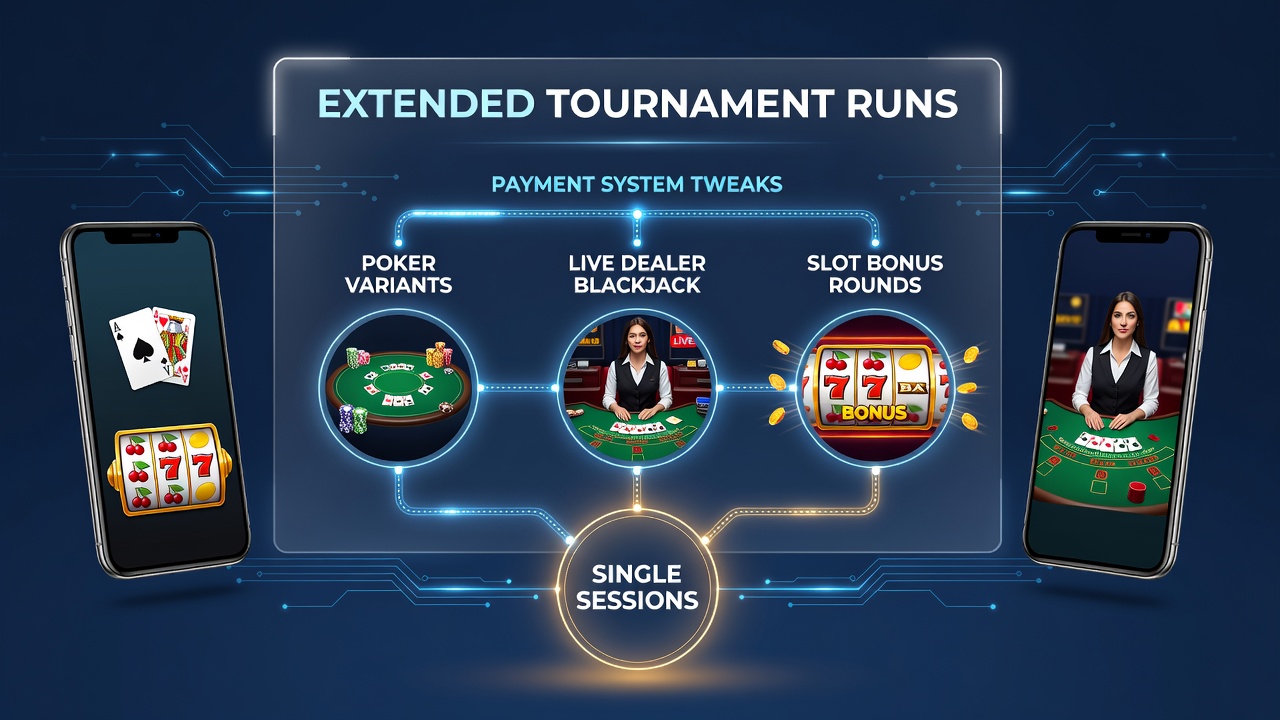
Payment system adjustments have supported longer tournament durations on mobile platforms that combine multiple poker variants with live dealer blackjack and slot bonus rounds in unified sessions, and data from industry reports shows these changes emerged prominently through 2026. Operators adjusted transaction processing speeds along with deposit limits while incorporating real-time verification tools that reduced interruptions during extended play periods.
Core Modifications in Transaction Handling
Developers integrated instant verification protocols that connect directly to banking networks and digital wallets, allowing players to maintain continuous access without repeated authentication steps, and these protocols align with standards set by bodies such as the American Gaming Association. Seamless top-ups occur through background processes that monitor session balances while preserving the flow between poker hands, blackjack tables, and slot features.
Systems now apply dynamic limit adjustments based on player history and account status, which prevents abrupt halts when users shift from one game type to another. Research from the Canadian Gaming Association indicates such features appeared in several major mobile applications by early 2026, supporting sessions that last multiple hours across blended formats.
Integration Across Game Variants
Mobile setups merge Texas Hold'em with Omaha variants alongside live dealer blackjack rounds and slot bonus triggers, all within single tournament structures. Payment tweaks ensure that winnings from one segment transfer automatically to fund entries in the next phase, eliminating separate funding actions that once broke momentum. Observers note that these connections rely on API linkages between payment processors and game servers, which handle micro-transactions at high volumes without latency spikes.
Slot bonus rounds activate through the same unified balance pool used for poker and blackjack bets, and this unification stems from backend updates rolled out in September 2026 across several platforms. Players experience fewer loading delays because the payment layer now caches verification tokens for the duration of each tournament block.
Data Patterns from 2026 Deployments
Figures released by regulatory monitors in multiple jurisdictions reveal increased average session lengths following the adoption of these payment refinements. One study compiled by researchers at the University of Nevada, Reno tracked mobile hybrid events and documented a 28 percent rise in continuous play time compared with prior years. The adjustments particularly benefited users who alternate between strategic card play and chance-based slot elements within the same event window.
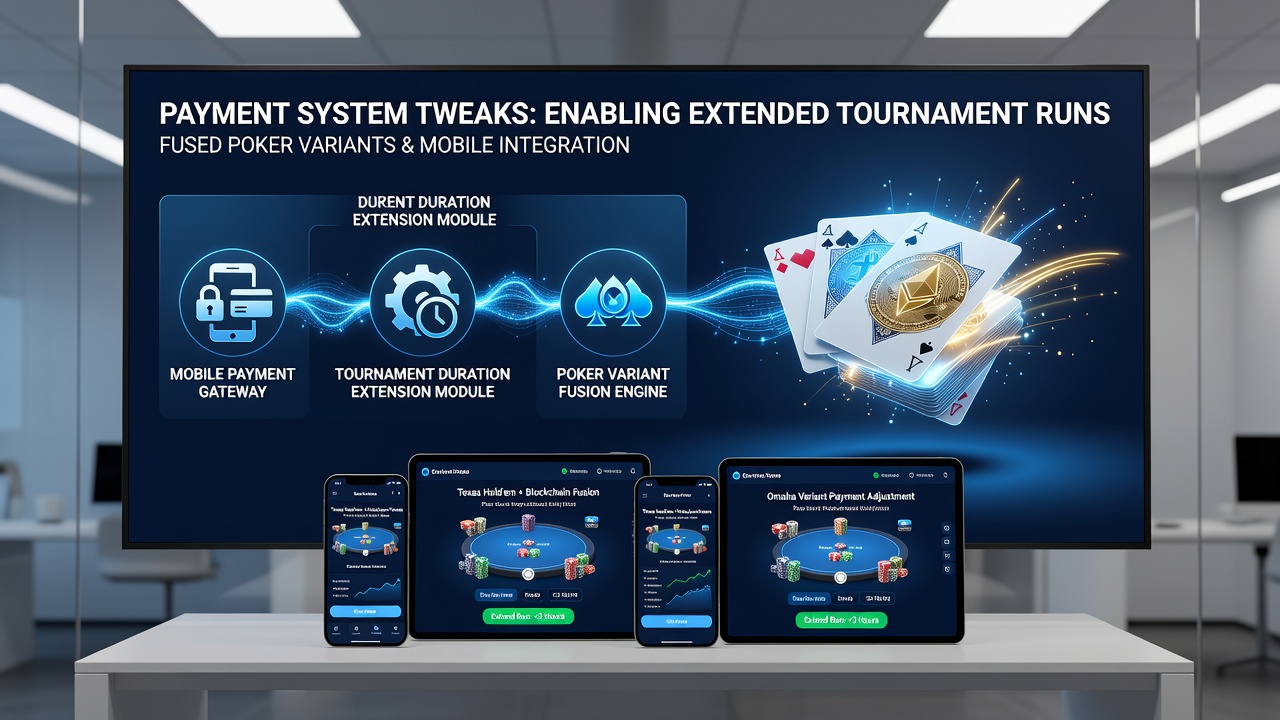
Transaction reliability improved through encrypted batch processing that groups multiple game actions under single confirmations, and this approach reduced error rates during peak tournament hours. Data indicates that European operators adopting similar models reported comparable gains in user retention across fused poker, blackjack, and slot environments.
Security and Compliance Frameworks
Enhanced encryption standards pair with the new payment flows to meet requirements from diverse oversight groups, including those operating in Australian markets. Real-time fraud detection runs alongside each transfer, flagging anomalies without pausing the overall session. These layers operate invisibly to participants yet maintain audit trails required for multi-jurisdictional compliance.
Platforms that implemented biometric-linked payment confirmations saw fewer account lockouts during extended hybrid runs, according to aggregated industry statistics. The result allows tournaments to stretch across several game phases while preserving both speed and regulatory alignment.
Future Implications for Mobile Platforms
Continued refinements focus on cross-border transaction compatibility, which would further extend reach for players engaging in mixed poker, blackjack, and slot events. Developers continue testing predictive balance tools that anticipate funding needs based on tournament progression patterns observed through September 2026. Such capabilities could reduce any remaining friction points as hybrid formats gain wider adoption.
Conclusion
Payment system adjustments have created conditions for sustained participation in mobile tournaments that blend poker variants, live dealer blackjack, and slot bonus rounds. The documented increases in session duration and transaction reliability point to structural changes that support these integrated experiences across portable devices. Ongoing developments in verification speed and security integration suggest further evolution in how these sessions operate.