Payment Method Choices Reshape Strategy Patterns in Mobile Poker Variants Slots and Wheel Games
Freya Patterson · Oct 17, 2026
Payment Method Choices Reshape Strategy Patterns in Mobile Poker Variants Slots and Wheel Games
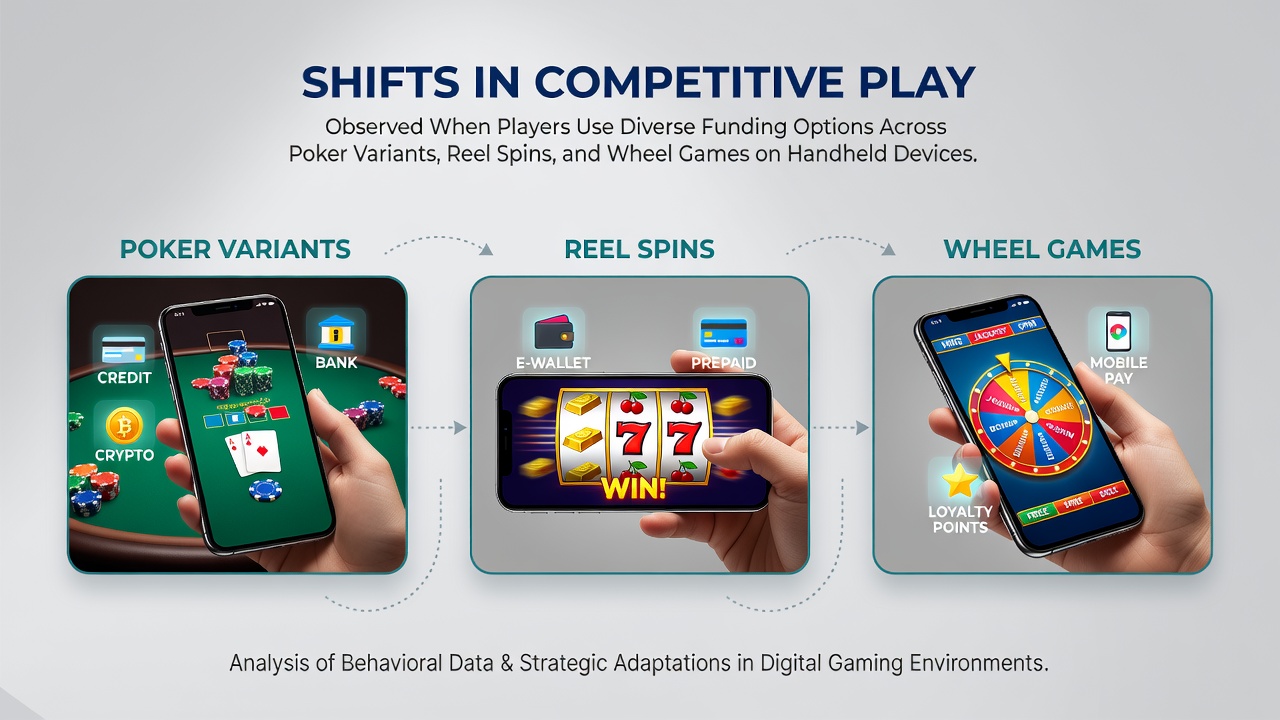
Observers note that funding options now play a direct role in how players approach competitive sessions across poker variants reel spins and wheel games on handheld devices and data from regulatory filings shows measurable differences in bet sizing session duration and risk tolerance depending on the method selected. Credit cards e-wallets bank transfers and emerging digital currencies each carry distinct processing times fee structures and visibility levels that influence decisions during live play and researchers tracking activity in October 2026 report that these variations produce consistent shifts in strategy across platforms.
Funding Sources and Poker Variant Adjustments
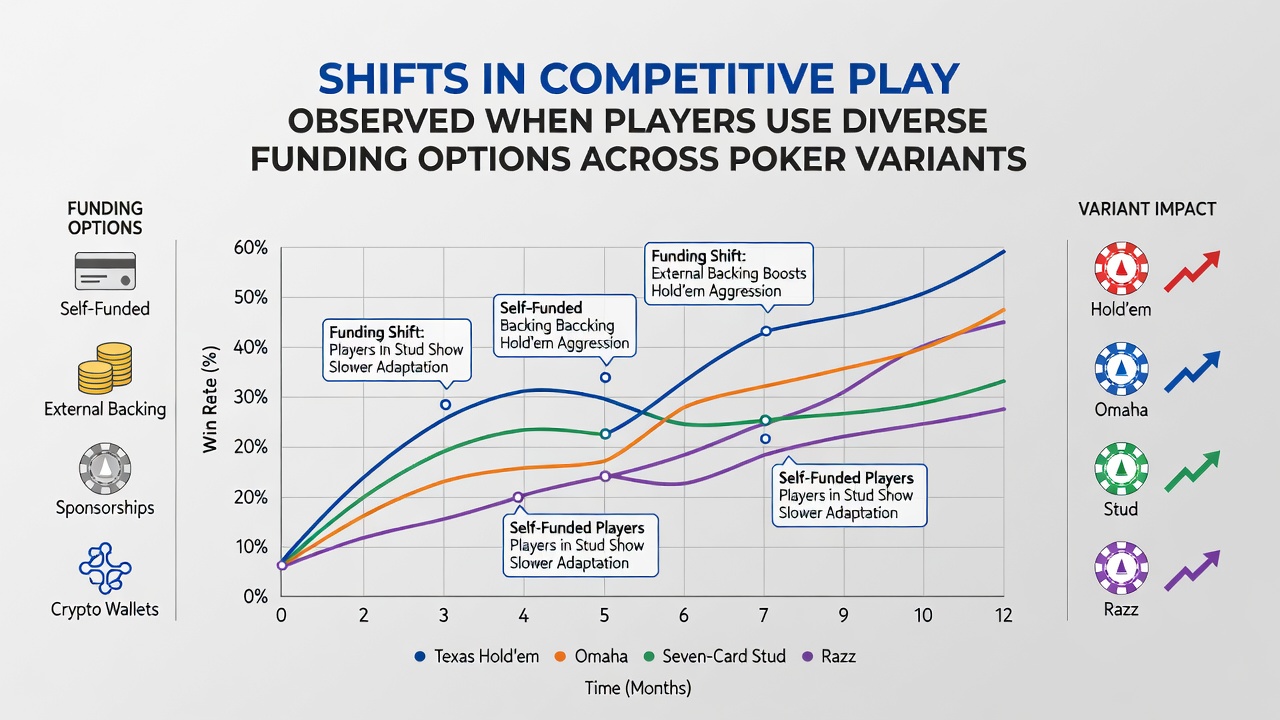
Players using instant e-wallet transfers tend to enter multi-table tournaments more frequently because settlement happens within seconds while those relying on traditional bank wires often limit entries to single-table formats due to longer confirmation windows and industry reports indicate that this pattern holds across Texas Hold'em Omaha and mixed-game rotations on mobile applications. When cryptocurrency options appear participants frequently increase pre-flop aggression in early rounds because transaction anonymity reduces perceived oversight yet the same group shows tighter post-flop play once stack sizes drop below starting levels according to transaction logs aggregated by multiple operators.
Reel Spin Behavior Under Different Payment Structures
Reel spin sessions reveal parallel trends where funding speed correlates with spin frequency and bet-per-line adjustments and data compiled through October 2026 demonstrates that debit card users maintain steadier wager sizes across extended play periods whereas credit-based funding correlates with more frequent switches between high-volatility and low-volatility titles. Those who preload accounts via prepaid vouchers exhibit shorter overall sessions but higher average bets per spin because the fixed balance creates a defined endpoint and platform analytics confirm that these users switch games less often than players who maintain open credit lines.
Wheel Game Dynamics and Transaction Influences
Wheel formats such as roulette and big-wheel variants display the clearest separation in betting patterns once funding method is isolated and observers tracking live dealer streams on portable devices note that bank transfer users place more outside bets early in a session while e-wallet participants favor inside numbers and repeat-bet sequences. The difference becomes pronounced when processing fees are visible at the point of deposit because players adjust stake sizes to offset those costs before wheel spins begin and October 2026 figures from several large mobile operators reveal that fee-aware funding correlates with a measurable drop in bonus-round participation rates.
Cross-Game Strategy Migration on Handheld Platforms
Many participants move between poker variants reel spins and wheel games within a single session and the funding method chosen at the outset often carries through these transitions and logs show that cryptocurrency users maintain higher variance across all three categories while traditional card-funded accounts display more conservative sizing once players switch from cards to automated reels. Platform operators have recorded that the same user who employs conservative bank transfers in poker events frequently adopts larger wheel bets when the same funding source remains active and this migration pattern appears stable across both iOS and Android environments.
Security protocols attached to each payment type also affect decision speed and researchers have documented longer decision times when two-factor authentication interrupts play flow during critical betting windows in poker or wheel rounds. The added friction leads some players to pre-authorize larger amounts at the start of a session so that subsequent actions proceed without interruption and this behavior shows up consistently in October 2026 session data across multiple jurisdictions.
Observed Patterns in Multi-Game Sessions
Analysts examining combined activity across poker slots and wheel titles find that funding diversity produces distinct clustering effects and users who rotate among three or more payment methods within a week display wider ranges of bet sizing than single-method participants. The variation holds after controlling for account age and total deposit volume and regulatory summaries released during October 2026 confirm that these clusters appear in both recreational and higher-volume player segments.
Device-level factors such as screen size and connection stability interact with funding choice to further shape strategy and players on smaller screens who rely on instant funding methods show quicker game switches because deposit confirmation does not require leaving the application. In contrast those using slower methods often consolidate activity into fewer titles to reduce navigation demands and these usage signatures remain visible in aggregated telemetry from leading mobile gaming providers.
Conclusion
Payment method selection now functions as an embedded variable within competitive mobile play across poker reel and wheel formats and available data indicates that transaction speed fee visibility and authentication requirements each contribute to measurable adjustments in strategy. Continued monitoring through late 2026 will clarify whether these patterns stabilize or evolve further as new funding technologies reach additional markets.