Unified Financial Networks Driving Compatibility Across Hybrid Gaming Formats
Frankie Becker · Sep 19, 2026
Unified Financial Networks Driving Compatibility Across Hybrid Gaming Formats
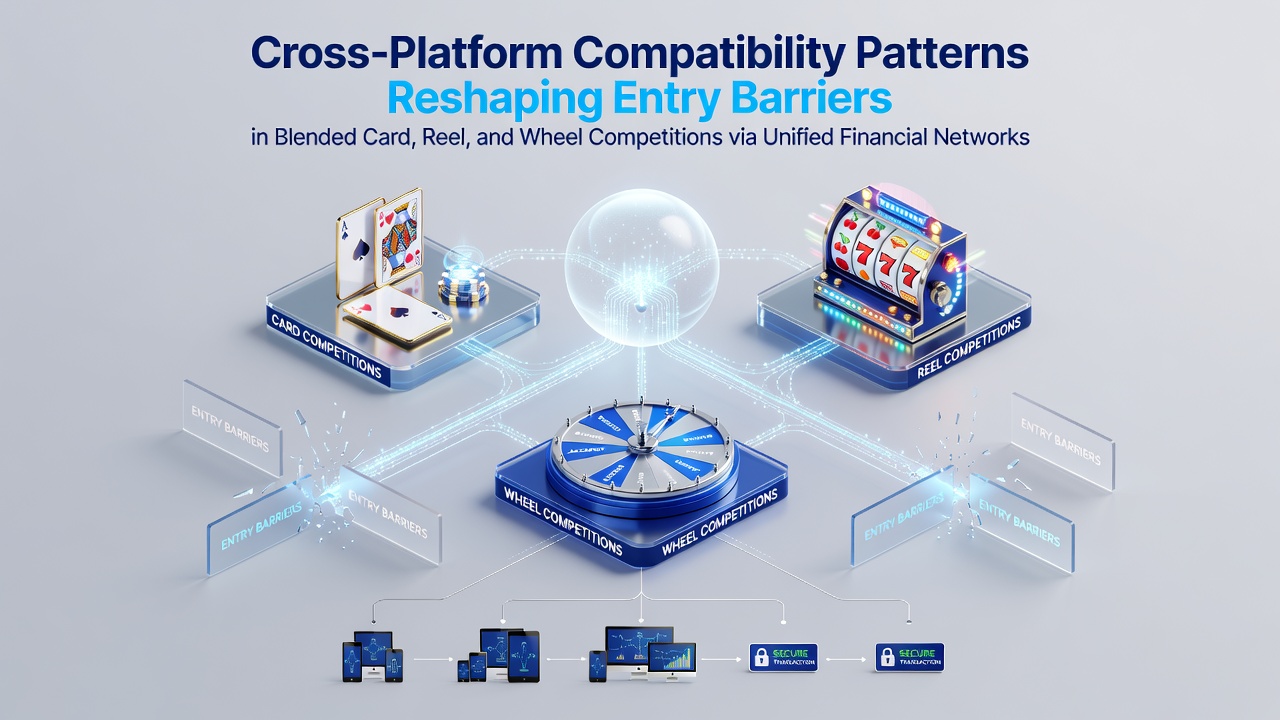
Observers note that unified financial networks have begun altering participation thresholds in events that combine card games, reel mechanics, and wheel-based competitions, and data from multiple regions shows these systems enable players to move between formats without separate account setups or repeated verification steps. Research indicates that compatibility layers built on shared transaction protocols reduce the technical hurdles that once limited access on mobile and desktop environments alike.
Compatibility Layers and Their Impact on Multi-Format Events
Studies from industry research groups reveal that cross-platform compatibility now allows seamless transitions between poker variants, automated reel sequences, and live wheel interactions within single sessions, while unified networks handle deposits, withdrawals, and bonus applications across all three. Those who have examined transaction logs find that players complete entries into blended competitions using one financial credential rather than managing multiple wallets or card details, and figures from regulatory filings confirm shorter onboarding times in markets where these networks operate at scale.
What's interesting is how September 2026 data points to increased session continuity when payment rails support instant synchronization, and analysts tracking user behavior report fewer drop-offs during format switches. Experts at academic institutions have documented that entry barriers tied to currency conversion or platform-specific fees decline when a single network processes all activity, and case examples from North American operators illustrate reduced friction for participants who previously encountered separate compliance checks for each game type.
Transaction Patterns in Blended Competitions
Data shows that unified networks streamline reward distribution across card, reel, and wheel elements, and operators report that bonus redemptions occur without format-specific delays once the underlying payment infrastructure aligns. Researchers have observed that players adjust strategies mid-event when financial tools remain consistent, because the same balance updates apply whether the competition involves strategic card play, reel spins, or wheel outcomes.
According to reports from the American Gaming Association, transaction reliability in these blended settings has improved where standardized protocols replace fragmented systems, and similar patterns appear in Australian market reviews that track portable device usage. One study revealed that entry costs related to payment processing dropped noticeably after networks integrated real-time verification across device types.
Regional Developments and Network Adoption
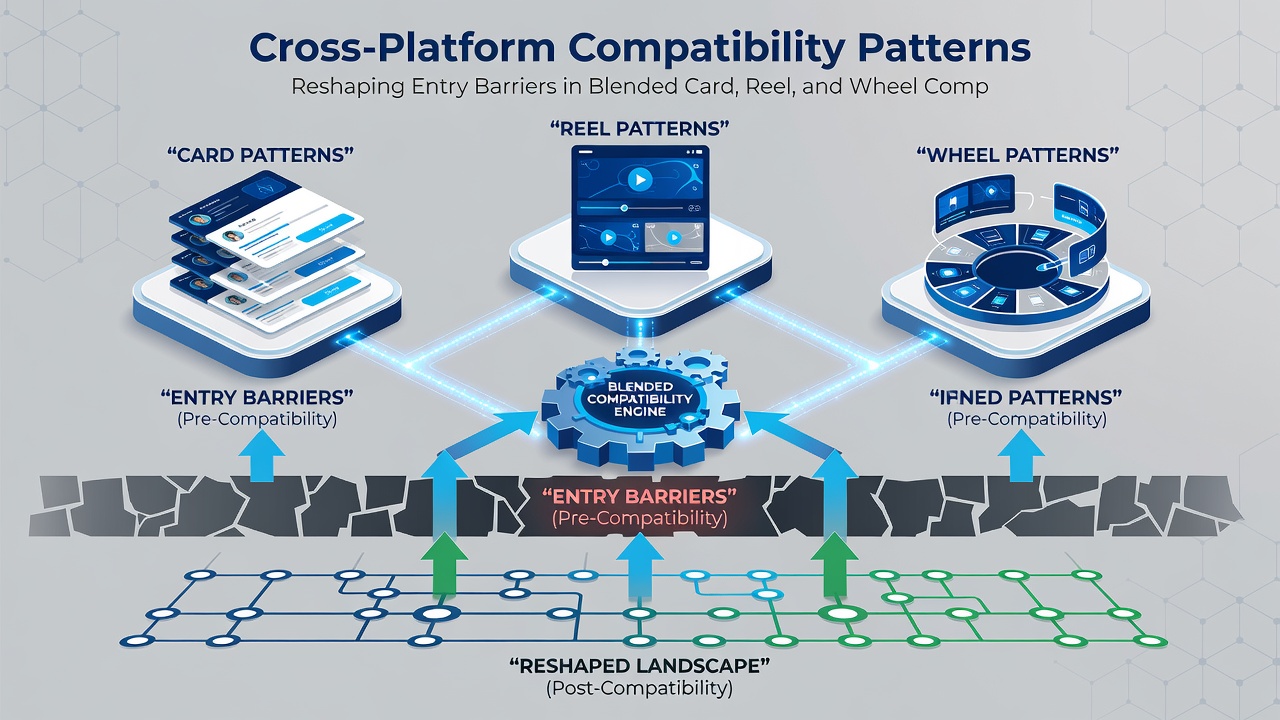
Regulatory filings from various jurisdictions indicate that adoption of unified financial frameworks accelerated through 2026, and September figures highlight continued growth in regions where operators linked card tournaments with reel and wheel components under shared payment rails. Observers note that these connections lower the capital required for smaller operators to offer multi-format events, because infrastructure investments focus on network integration rather than separate payment gateways for each category.
Evidence from Canadian provincial reports suggests that cross-border compatibility further reduces entry barriers when networks support multiple currencies without additional conversion layers, and participants gain access to events that previously required separate regional accounts. Those who've analyzed platform metrics find that session lengths extend when financial continuity prevents interruptions during format changes.
Conclusion
Patterns documented across multiple sources demonstrate that unified financial networks continue reshaping participation thresholds in blended card, reel, and wheel competitions by enabling consistent cross-platform access. Data from industry and regulatory bodies shows measurable reductions in onboarding steps and transaction friction, while compatibility features support sustained engagement across device types. These developments reflect ongoing integration trends that connect diverse gaming formats through shared financial infrastructure.